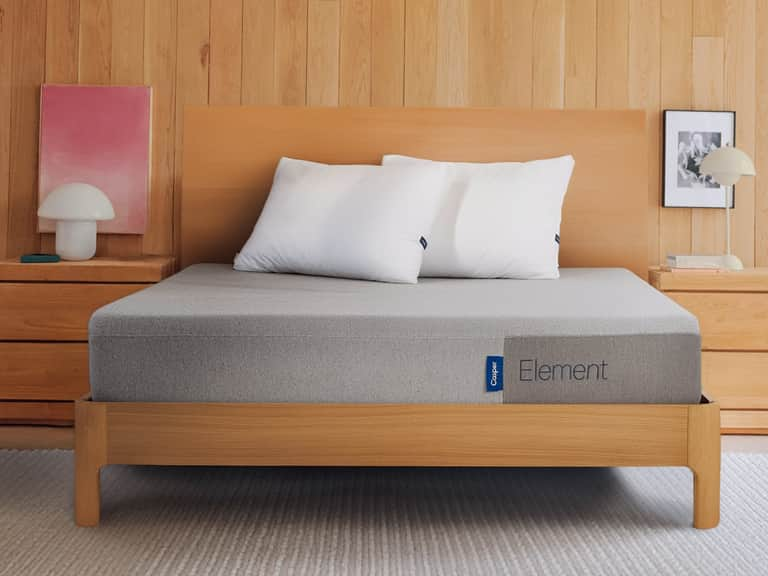
Foam mattresses use resilient foam layers to support the body and cushion pressure points during sleep. Their feel can vary with foam type, thickness, density, and construction, so these details are useful when comparing comfort and support. As part of a bedding setup, a mattress should suit the sleeper’s needs and bed frame.
The Original Mattress and Element Mattress are two named options in this category. Their product descriptions provide the appropriate source for specific details such as materials, layer design, firmness, and dimensions. Reviewing these features helps explain how each mattress may feel and function, without assuming that all foam mattresses share the same construction.
Foam mattresses are often considered for their cushioning and ability to adapt to body contours. Support and temperature comfort depend on the materials and design used, as well as the sleeper and room conditions. Mattress protectors, fitted sheets, and pillows also contribute to a comfortable bedding arrangement and should be chosen for compatible sizes.
When comparing mattresses, consider sleeping position, preferred firmness, body support, and any stated care or ventilation requirements. Check product specifications for dimensions and material information, particularly when matching a mattress to an existing frame. These practical details can help distinguish options such as the Original Mattress and Element Mattress for different sleep settings.
Foam mattresses for adults are distinct from organic mattresses and organic crib mattresses, which may have different material standards and intended uses. A nursery mattress should be designed for an infant sleep space and meet applicable safety guidance; adult bedding and pillows are not substitutes. Confirm age suitability and product specifications before selecting any mattress.
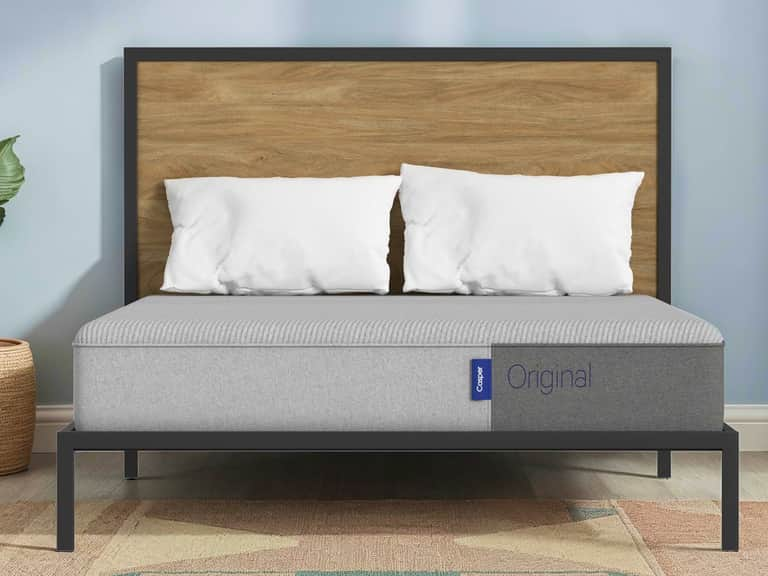 Mattresses