Bedding & mattress care
Mattress Protectors Explained: Choosing the Right Fit, Fabric and Level of Protection
A good mattress protector is a quiet layer of defence: it can help keep moisture, dust and everyday grime away from the bed while preserving the feel of the mattress beneath. The right choice depends on what you want to guard against, how your mattress is made and how much maintenance you’re willing to take on.
Published 23 October 2026
A mattress is a major household purchase, and it spends every night in close contact with skin, bedding and the ordinary little mishaps of daily life. A protector can help limit the effects of spills, perspiration, dust and friction. It may also make routine cleaning easier by putting a removable, washable layer between the sleeper and the mattress.
But protectors are not all interchangeable. Some sit across the top of the mattress and secure at the corners; others wrap around the whole mattress and close with a zip. Fabrics range from cotton and polyester knits to waterproof constructions with a membrane beneath the surface. Fit, feel, airflow and care instructions can matter just as much as the protection claim on the packaging.
This guide explains the main options and the details worth checking before you buy. The aim is not to find the most complicated protector, but one that suits your mattress, your household and the kind of protection you actually need.
What a mattress protector does
A mattress protector is a removable covering designed to reduce direct contact between the mattress and potential sources of soiling or wear. Depending on its construction, it may help shield the surface from liquid, skin oils, dust and everyday debris. It can also be useful when a mattress needs an additional barrier against common household allergens, although no fabric product should be treated as a substitute for appropriate cleaning or professional advice about allergies.
Protectors can support mattress care, but they do not make a mattress indestructible. A thin cover cannot correct a damaged mattress, prevent all liquid from reaching every seam, or guarantee a particular health outcome. Think of it as one part of a sensible bedding routine: a fitted layer that can be removed, laundered according to its instructions and replaced when it becomes worn.
It is also helpful to distinguish a protector from a mattress topper. A topper is generally intended to change the feel or cushioning of the bed. A protector is primarily about covering the mattress. Some products may offer a little extra padding, but if comfort is your main concern, compare toppers separately and check that any added layer will work with your sheets and mattress setup.
Start with the kind of protection you need
Before comparing colours, fabrics or product claims, consider what you most want the protector to do. A household looking for a simple washable layer may have different priorities from one concerned about frequent spills, a child’s bed or a mattress that needs full enclosure.
- Everyday wear: A standard fitted protector can act as a washable buffer against routine contact, dust and minor surface soiling.
- Spills and accidents: Look for a clearly described waterproof layer and check the care instructions. Water resistance and waterproofing are not always the same claim.
- Dust and allergen concerns: A close-fitting cover or zippered encasement may offer more complete coverage than a top-only design. Review the product’s specific claims rather than assuming every protector blocks the same particles.
- Full mattress coverage: An encasement can surround the mattress on all sides, which may be useful when coverage around the edges and base matters.
- Minimal change to the bed’s feel: A thin, quiet fabric with a smooth surface may be preferable if you are sensitive to texture or sound.
Be realistic about your household’s needs. A waterproof layer can be reassuring where spills are likely, but a heavier or less breathable construction may feel different from a light fabric cover. Conversely, a soft, breathable protector may not provide the level of moisture protection you need. The best balance is the one that addresses a genuine concern without making the bed less comfortable or harder to maintain.
Fitted protector or zippered encasement?
The two most common broad styles are fitted protectors and full encasements. Each has a different job, and the distinction is worth understanding before choosing.
Fitted protectors
A fitted protector usually covers the top of the mattress and secures around its edges, much like a fitted sheet. Elasticated corners or a skirt help hold it in place. This style is generally straightforward to put on and remove, which makes regular washing more manageable. It is often a practical choice for day-to-day protection when full enclosure is not necessary.
Because a fitted protector may leave the underside uncovered, it does not provide the same all-around barrier as a zippered design. Check how deeply its skirt fits and whether the elastic is designed for your mattress height. A loose or shallow fit can shift during the night, leaving the sleeping surface exposed or causing uncomfortable bunching under the sheet.
Zippered mattress encasements
An encasement wraps around the mattress on multiple sides and closes with a zip. That broader coverage can be useful for people who want a more complete barrier around the mattress, including its sides and base. The trade-off is that fitting one can take longer, particularly with a heavy or bulky mattress, and laundering may require more effort than removing a fitted cover.
Inspect the closure details as well as the fabric. A secure zip, protected zip end and well-finished seams contribute to the overall construction. Confirm that the encasement’s dimensions match your mattress length, width and depth. A product that is too tight may be difficult to close; one that is too loose may not sit neatly or securely.
For example, a zippered design such as the Sleep and Beyond Organic Cotton Zippered Mattress Encasement is described as a full-mattress cover with a waterproof layer and organic cotton jersey surface. Its listed depth options make mattress measurements especially important. As with any product, review its current specifications and care instructions to decide whether its materials and construction suit your needs.
Fabric, feel and breathability
The surface fabric is what you are most likely to notice once the bed is made. It can affect softness, stretch, temperature and the way a sheet sits. “Breathable” is a useful description, but it is not a precise guarantee of how cool a protector will feel for every sleeper. Room temperature, mattress materials, bedding layers and personal comfort all play a role.
Cotton and cotton-rich fabrics
Cotton is often chosen for a familiar, soft hand and a natural-fibre surface. Knitted cotton can have some stretch, which helps a protector sit smoothly over a mattress. Woven cotton may feel crisper. A cotton top does not automatically mean a protector is waterproof or entirely natural: check whether the product includes a backing, membrane, treatment or other materials beneath the surface.
Polyester and blended fabrics
Polyester and blended textiles are common in bedding because they can be durable and easy to care for. Some have a smooth, lightweight feel; others may be brushed or quilted. The exact construction matters more than the fibre name alone. Look for details about stretch, thickness, surface texture and laundering rather than assuming every polyester protector feels the same.
Waterproof membranes
A waterproof protector typically combines a fabric surface with a thin barrier layer. The membrane is intended to reduce liquid passing through to the mattress, while the top fabric provides the sleeping surface. These layers vary in feel and sound. A noisy, crinkly sensation can be distracting, so look for clear descriptions of the backing and, where available, independent customer feedback about noise and comfort.
Waterproof protection can also affect airflow and heat retention, although the result depends on the materials and the individual sleeper. A membrane described as breathable may still feel different from an uncoated cotton cover. If you tend to sleep warm, consider a lightweight construction and avoid adding more layers than necessary.
Quilted or padded protectors
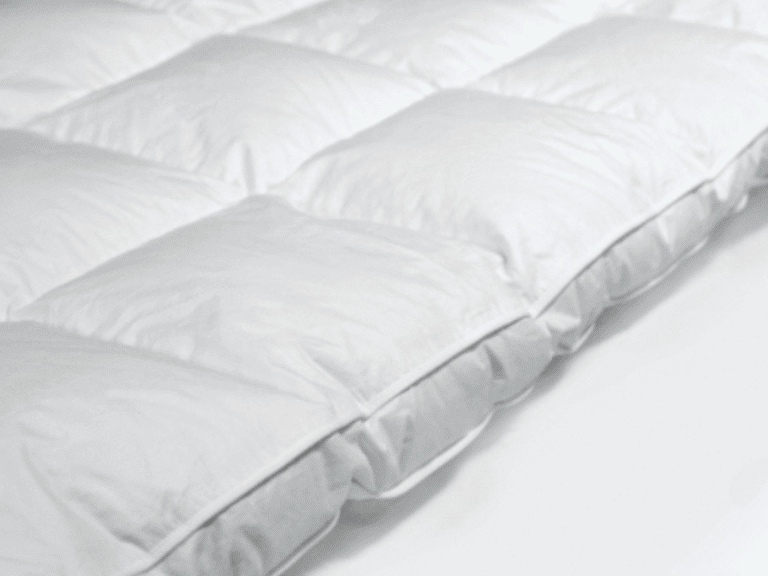
Some protectors have a quilted or lightly padded surface. This can add a softer, more cushioned feel, but it may also change how the mattress feels beneath the sheet. Check whether the item is sold as a protector, a mattress pad or a topper, and compare its thickness with your bedding setup. Added padding should not obscure the mattress’s intended feel if that is important to you.
Getting the fit right
A protector only works well if it stays in place and covers the mattress as intended. Start by checking the mattress label or measuring it yourself. Record the length and width, then measure the depth from the base to the top of the mattress. Include any permanent pillow-top or built-in comfort layer, but do not include a removable topper unless the protector is specifically designed to cover both.
Mattress depth is frequently overlooked. A protector with a shallow skirt may pull up at the corners or slip off, while excess fabric can wrinkle beneath the sheet. For an encasement, the internal depth needs to accommodate the mattress comfortably without straining the zip. If you use a topper, decide whether it belongs inside the encasement or on top of the protector, then check the manufacturer’s guidance.
UK mattress sizes are not identical to every international sizing system. Names such as single, double, king and super king refer to familiar UK formats, but imported mattresses and specialist sizes may vary. Do not rely on the size name alone when buying online. Compare the exact dimensions in centimetres or inches against the product’s size chart.
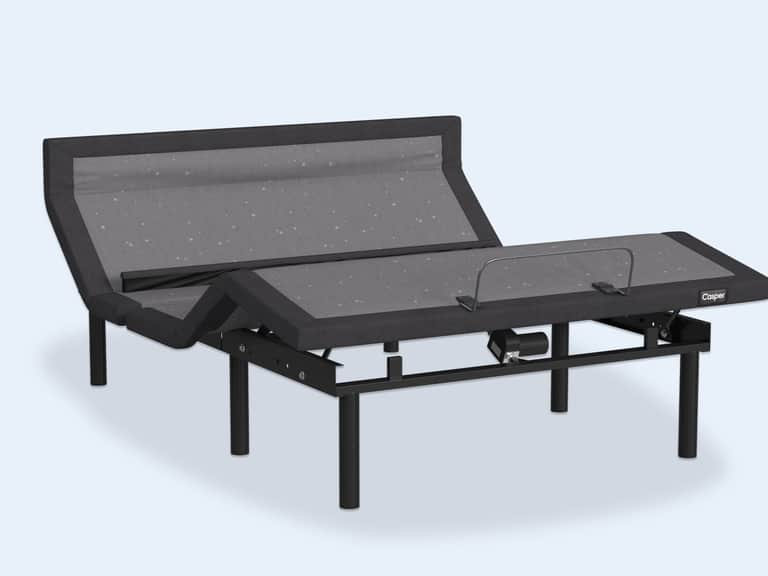
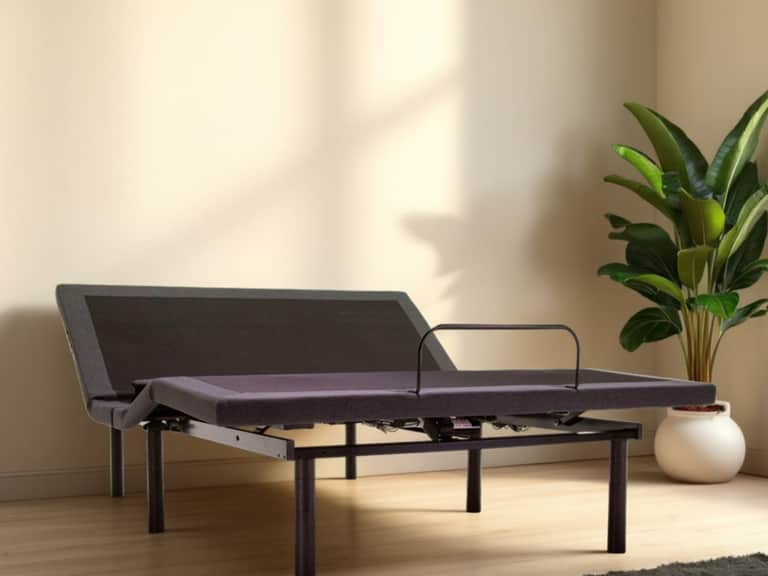
Adjustable beds and split mattresses need additional attention. Confirm that the protector can stretch and move with the mattress without interfering with articulation. For split arrangements, make sure you know whether you need one cover for each mattress section or a single protector designed for the complete surface. Follow the bed and protector manufacturers’ compatibility instructions.
- Measure mattress length, width and depth rather than guessing from its size label.
- Check the protector’s maximum mattress depth and the construction of its skirt or closure.
- Account for a permanent pillow-top, but check guidance before including a removable topper.
- Verify dimensions carefully for imported, unusually deep or split mattresses.
- Before laundering, make sure the protector can be removed without pulling or straining its seams.
Care instructions matter
A protector is useful only if it is practical to keep clean. Read the label before purchasing and consider whether its washing instructions fit your household routine. Some covers can be machine washed; others may need a gentler cycle, a particular temperature or careful line drying. Waterproof membranes can be damaged by unsuitable heat or harsh cleaning products, so do not assume that a hot wash or tumble dryer is safe.
Remove the protector promptly if a spill occurs and follow the manufacturer’s instructions for cleaning. If it is an encasement, check whether the entire cover can be washed in your machine; its size and weight may make this difficult. Allow the protector to dry fully before putting it back on the mattress. Damp fabric trapped under bedding can create an unpleasant environment and may affect the mattress itself.
Wash frequency depends on the product instructions and household circumstances. A protector is not a replacement for regular sheet changes, and it does not remove the need to keep the bedroom clean. Inspect the fabric, elastic and seams periodically. A worn, torn or persistently loose protector may no longer offer the coverage you expect.
How a protector fits into overall mattress care
Good mattress care is mostly about consistency. Use a protector suited to the mattress, keep bedding clean, and deal with spills promptly. When changing sheets, take a moment to check for shifting, trapped debris or signs of wear. Follow the mattress manufacturer’s instructions for rotation or turning; not every mattress is designed to be flipped, and some models have specific care requirements.
If the mattress has been exposed to moisture, do not cover it while it is still damp. Follow the manufacturer’s cleaning advice and allow the surface to dry thoroughly. Avoid applying unapproved cleaning products or excessive liquid, which can damage materials or affect warranties. A protector can reduce the chance of stains, but it cannot guarantee that a mattress will remain pristine under every circumstance.
For sleepers who prefer a natural-fibre surface, product descriptions should be read closely. A cotton top may be paired with a synthetic waterproof backing, and certifications or environmental claims apply only as described by the manufacturer. Look at the full material list, not just the headline wording, and consider how each layer affects the feel and care of the finished product.
Common buying mistakes to avoid
- Choosing by size name alone: Two products labelled with the same size may not have identical measurements. Verify the dimensions.
- Ignoring mattress depth: A protector can fit across the top yet fail to stay secure around a deep mattress.
- Assuming every protector is waterproof: Many are designed as washable covers without a liquid barrier. Check the specification.
- Equating a cotton surface with an all-cotton product: Backing layers and membranes may use different materials.
- Overlooking noise and texture: A protector sits directly beneath the sheet, so its feel can affect comfort.
- Buying a more complex cover than you need: Full encasements offer broader coverage, but they may take more effort to fit and wash.
- Skipping the care label: An unsuitable wash or drying method can shorten the life of a protector or damage its waterproof layer.
A simple checklist before you buy
When comparing options, keep the decision grounded in practical details. A protector does not have to be elaborate to be effective for your situation. It should fit securely, feel comfortable beneath your sheets and be straightforward to care for.
- What do I most need to protect against: everyday wear, moisture, dust or broader coverage?
- Would a fitted protector meet that need, or do I want a zippered encasement?
- Do the stated length, width and depth match my mattress?
- What are the surface fabric and backing made from?
- Is the protector waterproof, water resistant or simply a washable cover?
- Will its feel, thickness, sound and airflow suit my preferences?
- Can I wash and dry it according to the instructions I can realistically follow?
- Will it work with my mattress topper, bed frame or adjustable base?
Frequently asked questions
Does a mattress protector change how a mattress feels?
It can. A thin, smooth cover may be barely noticeable, while a padded protector or a waterproof layer with a distinct texture may alter the surface feel. If you are sensitive to heat, sound or texture, pay close attention to the materials and construction.
Is a waterproof protector always the best option?
Not necessarily. Waterproofing can be useful when spills or accidents are a concern, but it may not be needed in every household. Compare the level of protection with the feel, airflow and care requirements you prefer.
Is a zippered encasement better than a fitted protector?
They provide different kinds of coverage. A fitted protector is often easier to remove and wash, while an encasement surrounds more of the mattress. Choose according to your priorities and check that the cover’s dimensions and closure suit your mattress.
Can I put a protector over a mattress topper?
That depends on the protector and how you want the layers arranged. Some protectors are deep enough to cover a mattress and topper together; others are intended to fit the mattress alone. Check the product’s depth and the manufacturer’s recommendations.
How often should I wash a mattress protector?
Follow the care label and consider your household’s needs. Wash it after a spill or when it needs refreshing, and make sure it is completely dry before replacing it. Avoid using temperatures or cleaning products that the manufacturer does not recommend.
Will a protector stop all allergens or pests?
No general statement can guarantee complete protection. Some products are designed to form a close barrier, but construction and claims vary. Read the specific product information and seek qualified advice if you have a persistent allergy, pest or health concern.
The bottom line
The right mattress protector balances coverage with comfort. Begin with the problem you want to solve, then compare fitted and zippered styles, surface fabric, waterproof layers, mattress depth and washing instructions. A well-fitting protector should stay smooth beneath the sheet, suit your preferences and be easy enough to maintain that it becomes a dependable part of your bedding routine.
There is no single best choice for every bed. Measure carefully, read the full material and care information, and select the level of protection that makes sense for your home. That thoughtful extra layer can help make everyday mattress care simpler without demanding that comfort take a back seat.