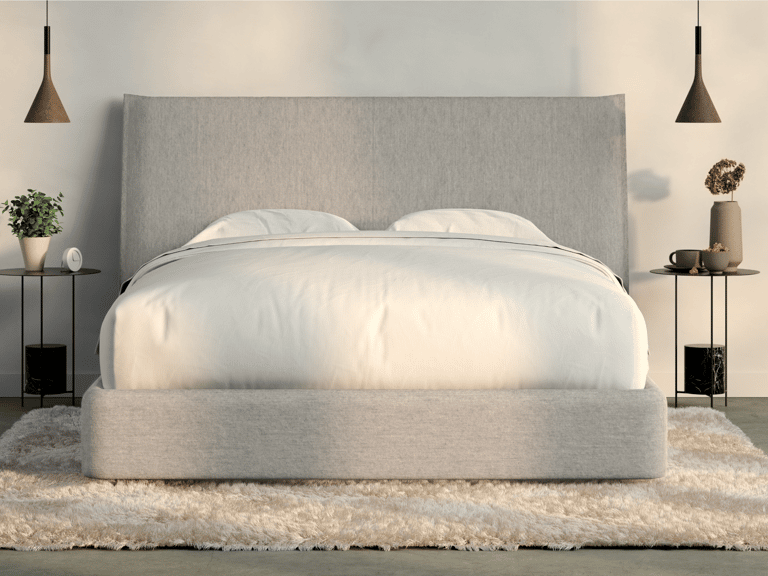
Haven Bed Frame
Slip into daily comfort with a modern, clean silhouette and soft felted wool upholstery that feels luxurious to the touch, while premium construction ensures lasting support and easy integration with any bedroom style.
Explore the core differences between organic mattress technologies from two notable brands. This editorial examines materials, certifications, and comfort philosophies to help UK buyers make informed, non-commercial decisions.
In a world where sleep quality intersects with health, the materials and certifications behind an organic mattress are more than marketing chatter. UK consumers seek transparency about what goes into their beds and how those choices align with stringent safety and environmental standards. Certifications such as GOTS (Global Organic Textile Standard) for organic fabrics, GOLS (Global Organic Latex Standard) for latex, and third-party test results for VOC emissions help buyers distinguish genuine commitments from greenwashing. This article compares Naturepedic and Sleep and Beyond through that lens, focusing on the practical implications for comfort, durability, and allergen performance.
While the UK market has its own regulatory nuances, many international standards provide a reliable compass for evaluating organic mattress technologies. The aim here is a consumer-friendly, non-promotional overview that empowers readers to ask the right questions and assess products in a transparent, UK-centric context.
Naturepedic has carved a niche by emphasizing organic cotton layers and a non-toxic approach to mattress construction. In this comparison, we focus on core elements that typically define Naturepedic’s identity in the UK and beyond:
Readers will notice Naturepedic’s emphasis on pure materials and straightforward layering, which translates into a sleep experience that many describe as calm and grounded. The emphasis on a non-toxic ethos is particularly resonant for households with children or individuals who are sensitive to synthetic additives.
Sleep and Beyond leans into a fabric-forward approach that prioritizes organic textiles and protective encasements. In partnership with organic fabrics and thoughtfully designed encasement layers, Sleep and Beyond aims to address both comfort and hygiene, with attention to regulatory-friendly features for UK consumers. Key considerations often include:
For many, Sleep and Beyond represents a thoughtful blend of textile science and practical bedding design. The emphasis on organic fabrics can translate into a gentler touch for the skin, while encasement design contributes to longevity and protective performance.
When evaluating mattresses, many UK buyers weigh the tactile experience—the feel of the top layers, the contouring of the support core, and how materials respond to temperature changes. Naturepedic’s cotton layers tend to offer a breathable surface with a distinctive softness that doesn’t trap heat, while Sleep and Beyond’s emphasis on organic fabrics can provide a different textural profile that some sleepers find crisper or more tactile. Durability, meanwhile, hinges on how well the mattress holds up to repeated use, shifting bodies, and the demands of different bed bases common in UK bedrooms.
Allergy-friendly performance is another vital dimension. Organic materials and careful barrier designs reduce exposure to common irritants like dust mites and synthetic additives. For families with children or individuals who react to certain textiles, these considerations can meaningfully influence sleep quality over time.
Beyond brand storytelling, certifications offer objective benchmarks. In the UK and Europe, consumers should look for:
Naturepedic and Sleep and Beyond typically highlight their certification landscapes on product pages. For UK buyers, confirming these certifications and understanding what they cover—whether the focus is solely on fabrics, or extends to the entire mattress system—can be decisive in choosing between brands.
Comfort is deeply personal, and organic mattresses come in a spectrum of firmness levels and contouring responses. Naturepedic’s layering often emphasizes balanced support with a preference for natural materials that maintain a consistent feel across temperature ranges. Sleep and Beyond’s approach to organic fabrics may translate into a slightly different sensory impression, potentially offering a lighter or crisper surface that some sleepers find appealing for warm climates or shared sleeping spaces.
From the UK buyer’s perspective, it’s worth noting how temperature regulation interacts with room conditions, bedding textiles, and the choice of bed frame. A breathable top layer paired with a well-ventilated base can help maintain comfort through changing seasons, reducing nighttime overheating and promoting a more uniform sleep climate.
Organic mattresses are often built to last, but longevity depends on materials, construction quality, and usage patterns. Naturepedic’s approach—rooted in careful material selection and robust layering—aims to minimize sagging and maintain body alignment over years of use. Sleep and Beyond, with its emphasis on organic fabrics and protective encasements, also targets durability, particularly in the way fabrics resist wear and how well encasements preserve the core mattress from staining and allergen buildup.
UK households may notice differences in care routines that influence longevity. Regular rotation, appropriate support when choosing bases, and following cleaning guidelines for organic fabrics can all contribute to preserving comfort and structural integrity year after year.
Choosing between Naturepedic and Sleep and Beyond ultimately comes down to personal priorities: is your emphasis on the most transparent organic commitment or on the tactile character of organic fabrics? Some readers may prioritize a more traditional cotton layering approach, while others may be drawn to textile-forward designs that highlight fabric science and encasement ergonomics. Either path, grounded in solid certifications and ethical sourcing, supports a healthier sleep environment for a UK household.
To help readers navigate the decision, consider a structured checklist: certifications, material composition, feel testing (when possible), allergen performance, durability expectations, and aftercare guidance. Remember that a quality mattress is a long-term investment in health and well-being, with ongoing implications for sleep quality, energy, and mood.
A thoughtfully chosen bed frame can elevate the entire sleep system, reinforcing the benefits of an organic mattress. The Haven Bed Frame, upholstered in felted wool with a sturdy build, represents a modern aesthetic that complements organic mattresses by providing solid, foundation-style support without the need for a separate foundation or box spring. Its wool upholstery adds a tactile, premium feel to the bedroom, aligning with a holistic approach to sleep environments that prioritize natural materials and durable construction.
For readers exploring a complete room setup, pairing a high-quality organic mattress with a well-designed frame like Haven can contribute to a cohesive sleep sanctuary. In the UK context, this alignment supports both comfort and durability while maintaining a clean, contemporary look in the bedroom.

Material: Felted wool upholstery; sturdy frame
Key point: No foundation or box spring required
Price: $1,895.00
Note: Haven Bed Frame pairs visually with organic mattresses and complements clean, minimal interiors that UK readers often favor for a serene sleep environment.
In the spirit of a People magazine feature, we reflect on three influential figures whose perspectives on health, design, and daily rituals have indirectly shaped how we think about sleep technology today. These are not contemporaries in the same field, but voices that, across time, contribute to a broader conversation about comfort, well-being, and the space we inhabit for rest.
A pioneer in science, Curie’s relentless curiosity about materials and safety resonates with today’s emphasis on non-toxic, safe environments. Her work underscored the value of rigorous testing and careful materials selection—principles that echo in modern organic mattress certifications and product transparency.
Impact today: The importance of safe materials and evidence-based policies in consumer goods.
As a writer who explored the interior spaces of consciousness, Woolf invites readers to consider the bedroom as a site of identity, privacy, and creative energy. Her explorations of interior life echo contemporary sensibilities about designing sleep environments that nurture mental clarity and emotional balance.
Impact today: The bedroom as a sanctuary that supports mental health and creative thinking.
Goodall’s advocacy for harmony with the environment aligns with sustainable material choices in bedding. Her influence reminds us that ethical sourcing and ecological stewardship matter to consumers who seek organic, responsibly produced sleep products.
Impact today: Driving demand for ethically sourced materials and transparent supply chains in the睡 industry.
For UK buyers, the comparison between Naturepedic and Sleep and Beyond offers a framework rather than a verdict. Both brands embody a commitment to organic materials and transparent practices, yet they approach comfort and design from distinct angles. The decision should be guided by your priorities: the emphasis on pure organic layers and non-toxic construction, or the focus on organic fabrics, encasement strategies, and a fabric-forward sleep surface. The right choice creates a sleep environment that feels like a natural extension of your daily life—calm, healthy, and inherently you.
If you’re building a sleep ecosystem around an organic mattress, consider pairing with: Haven Bed Frame for a woolly, modern foundation that stays true to a clean aesthetic; and a curated topper or pillow that complements the mattress’s organic profile. For readers who value the science behind sleep, explore non-toxic materials, certification verification, and care guides that help maintain performance over time. The goal is a holistic sleep environment that supports health, comfort, and an informed, confident purchase journey.
Naturepedic and Sleep and Beyond bring two complementary visions to the organic mattress category. While Naturepedic leans into a layered organic cotton foundation with a strong non-toxic stance, Sleep and Beyond emphasizes organic fabrics and encasement innovations that can enhance hygiene and longevity. In the UK context, buyers benefit from cross-border knowledge—learning from global certifications while evaluating how these products fit alongside UK bed bases, room layouts, and climate considerations.
This article maintains a neutral, educational tone, focusing on evidence-based comparisons and consumer empowerment rather than promotion. By foregrounding certifications, material choices, and practical care guidance, UK readers can approach organic mattress decisions with clarity and confidence.
Disclaimer: This article is informational and non-commercial. Product highlights are provided for educational purposes and do not constitute endorsements.